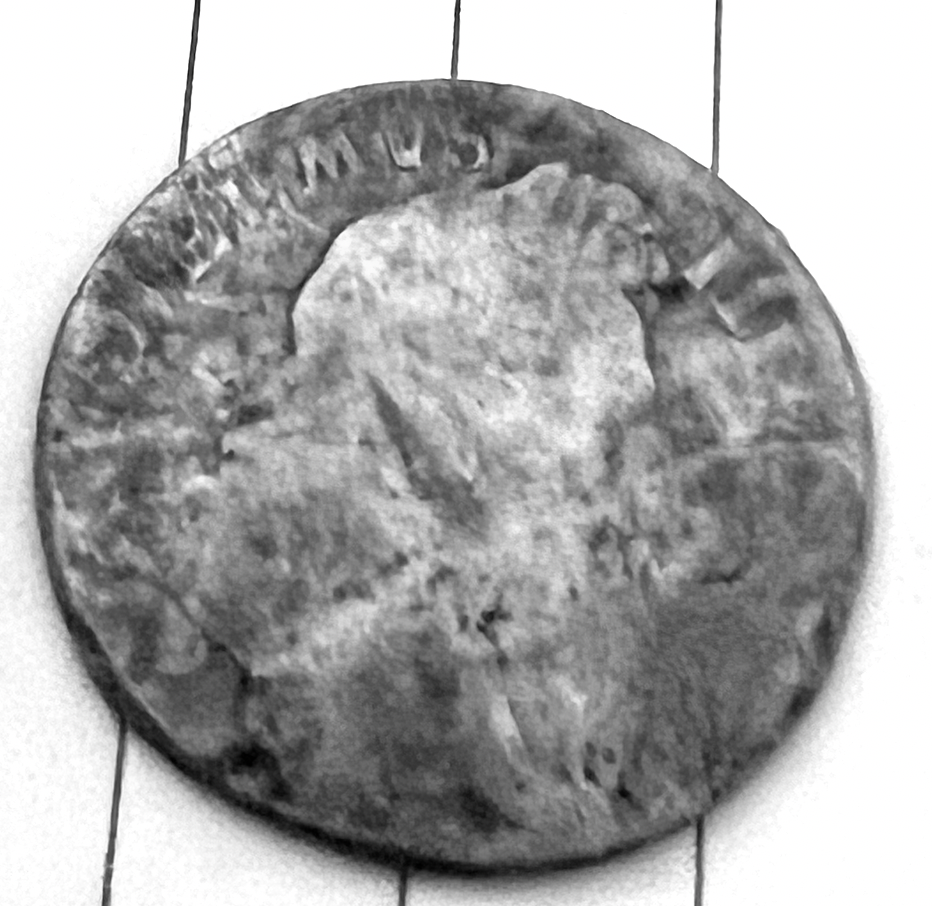
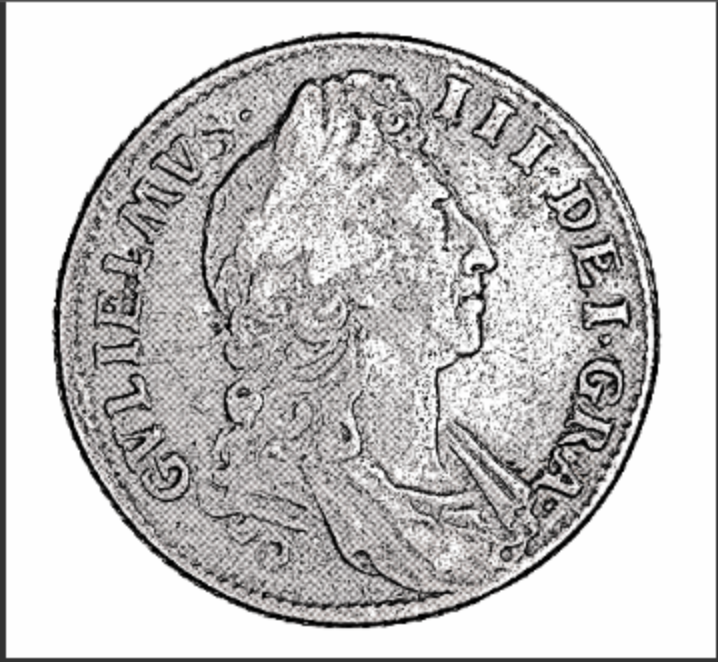
The thrill of the find, the tell-tale signal beneath the soil – every metal detectorist knows it. Recently, less than a mile from the historic grounds of Clarendon Palace outside Salisbury, my efforts yielded a tangible link to England’s past: a silver shilling bearing the portrait of William III, dated 1697. This small disc of metal, once currency, now whispers stories of a turbulent yet transformative era.
William III, or William of Orange, ascended to the English throne in 1689 following the Glorious Revolution, initially ruling jointly with his wife, Mary II. My shilling, however, bears only his stern and badly worn profile, a clear indication that it was minted after Mary’s death in 1694. This seemingly minor detail adds a layer of historical nuance. Coins featuring both monarchs served a crucial political purpose, legitimizing William’s claim through his marriage to the English-born Mary, a direct descendant of the Stuart line. Their joint rule was a strategic move to ease tensions after the deposition of James II and to present an image of unity and stability.
The absence of Mary on this coin from 1697 find marks a distinct period of William’s sole reign. While all coinage from this era holds historical value, those minted after 1694 are tangible artifacts of this specific phase. For numismatists, this distinction is significant, allowing for a more detailed study of the evolution of English coinage under William III. Depending on factors like the mint mark and condition, such shillings can vary in rarity and thus, their value to collectors.
The year 1697 places this coin firmly within a complex political landscape. William III’s reign was defined by the aftermath of the Glorious Revolution, which established the supremacy of Parliament, and the ongoing Nine Years’ War against France. This costly conflict placed a significant strain on the English economy, leading to increased taxation and the establishment of institutions like the Bank of England in 1694 to manage the burgeoning national debt. Furthermore, the threat of Jacobitism – the movement to restore the Stuart line – remained a constant undercurrent of anxiety. While these tensions didn’t erupt into another full-scale civil war like the one in the previous century, they shaped the political discourse and required careful navigation by William’s government.
Finding this shilling near Clarendon Palace adds another intriguing layer to its story. Clarendon Palace, once a favoured royal hunting lodge dating back to Norman times and a significant medieval residence, had declined in prominence by the late 17th century. While direct records of William III visiting the palace are scarce, its historical association with royalty, particularly for hunting in the surrounding Clarendon Forest, makes a royal visit by him or his entourage plausible. Even without a documented visit, the coin’s presence suggests activity in the area during his reign.
This small silver disc, unearthed from the soil near a once-grand royal estate, serves as a tangible connection to a pivotal period in British history. It speaks of political maneuvering, international conflict, and the evolving power dynamics between the monarch and Parliament. For a metal detectorist, it’s more than just a find; it’s a piece of history held in the palm of your hand, prompting a deeper exploration into the lives and times of those who once used it.





You must be logged in to post a comment.