June 11th. The day broke bright and clear, the sun already warming the chalk downs near Salisbury. The fields were a vibrant, high summer green, and the air was thick with the scent of hay and wildflowers. It was a perfect, long day for being out, and I felt that familiar, quiet hope that every day in the field brings.
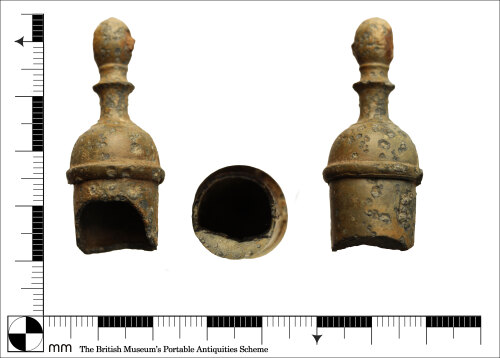
My thoughts were immediately drawn back to yesterday. The memory of that deep, promising tone is one I won’t soon forget, nor the momentary, racing excitement as the sun glinted off something brilliant in the dark soil. To see that flash of gold, to have the heart hammer in the chest, only for it to resolve into a perfectly crushed whisky bottle cap… well, it’s a detectorist’s lament, isn’t it? That magnificent, heartbreaking frustration. Aside from a lone thimble, that shiny piece of modern detritus was the only thing of note. It was a reminder that history is layered, and often, the most recent layers ring out the loudest.
But what a difference a day makes!
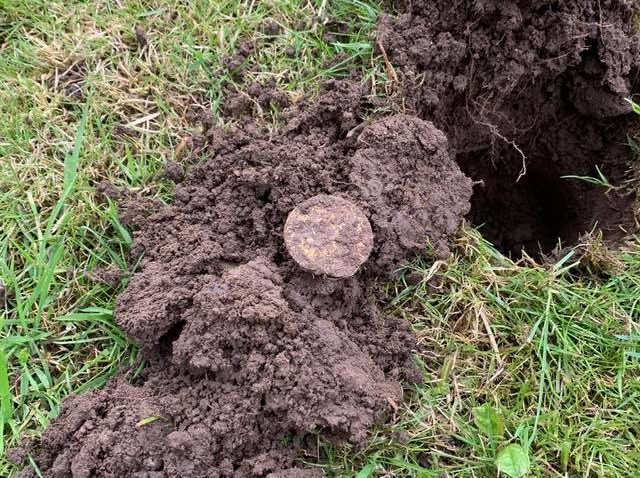
Almost exactly twenty-four hours later, the ground decided to offer a profound gift. I was working a section of field where a footpath once led from Alderbury to Laverstock, and my detector again sang out with a solid, bell-like tone. As I knelt and gently excavated, what emerged left me absolutely gobsmacked—a tiny, worn disc of metal, dark with the patina of millennia.
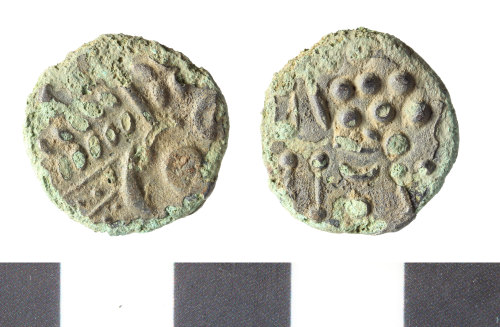
This small object was a genuine Iron Age Stater, a coin of the Durotrigian tribe who controlled a large area including the Isle of Wight. The museum would share loads of interesting details about it: That dated specifically to the period between 58 BC and AD 43. It’s the ‘Hod Hill type’, which is instantly recognisable to those who study this period. The obverse shows the highly stylized wreath, cloak, and crescents, while the reverse features a dramatically disjointed horse facing left. What truly deepens the story is that the coin was originally silver-plated copper alloy, and may even be a contemporary copy. Which might explain my finding it so far inland.This wasn’t solid gold or silver, but a base metal given a gleaming surface—a commentary on the technology and economics of the time, where trust in the currency was perhaps as important as its intrinsic value.
(Rights Holder: The Portable Antiquities Scheme. Used with permission under Creative Commons.)
Imagine that! Some person, over two thousand years ago, walked this landscape carrying this coin. It’s a direct, tangible link to a life before the legions of Rome arrived, a small piece of the Durotriges’ world right in my hand. It reminds me that even when the disappointment of a shiny bottle cap hits, the patient detectorist will eventually find that the the ground, it seems, always has another, much older story to tell. Every find tells a story.
Key Details:
Unique ID: WILT-309287
Object Type: Iron Age Durotrigian Stater (Hod Hill Type)
Historical Context: A silver-plated copper alloy coin dating from c. 58 BC – AD 43. It was produced by the Durotriges tribe and features a highly stylized depiction of a head (obverse) and a disjointed horse (reverse). It may be a contemporary copy, offering a fascinating insight into the economy of pre-Roman Britain.





You must be logged in to post a comment.