It was a blustery autumn day today, with the wind carrying a chill straight off the Wiltshire plains. The sky was high and scattered with racing clouds, giving a sense of restless energy to the landscape. I was working a field not far from a known Roman trackway, a place where, even now, the ghosts of the past feel close at hand.
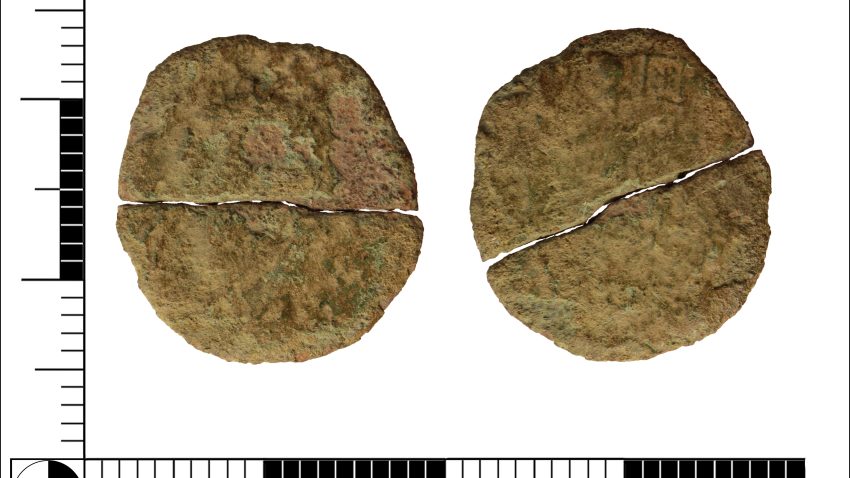
The signal was strong but a bit jumpy, and when the object came out, the reality was stark: a Roman nummus, broken cleanly in two. It’s a sad state for an ancient piece of currency, but I find that even broken objects speak volumes. They show the wear, the use, and perhaps the deliberate abandonment of a person whose life was fractured by the same pressures that broke the coin.
This copper alloy nummus, tentatively identified, is a compelling link to the reign of the usurper Magnentius, placing it squarely in the tumultuous period of AD 350-353. Magnentius seized control of the Western Roman Empire by assassinating the legitimate Emperor Constans, plunging the entire state into a bitter civil war. This tiny, worn coin, likely struck far away in one of the major mints of Roman Gaul, perhaps Lyons or Arles, somehow made its way across the Channel to Wiltshire.
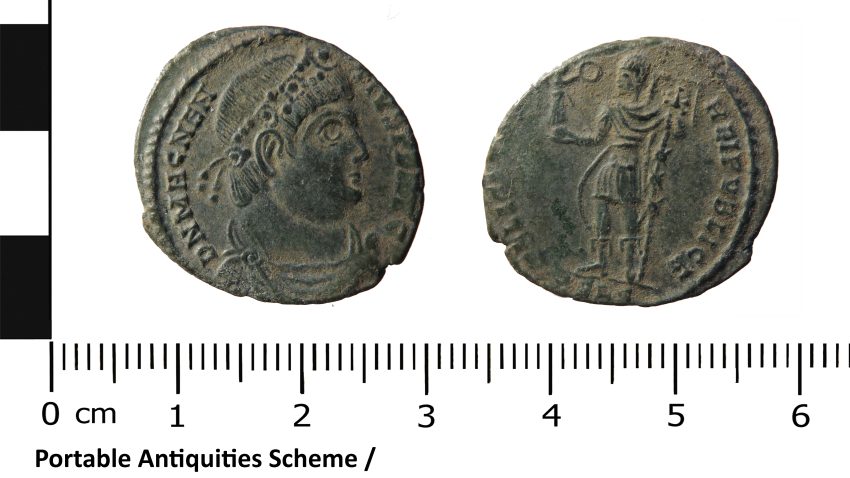
It’s an important moment to reflect on the difference between the physical find and its historical meaning. The object itself is worn and broken, but research, either by myself or the experts at the museum, fills in the details physically worn away by time. It is this detective work that confirmed the coin’s type and revealed the truly profound irony of its inscription. Though now worn almost smooth, the original type is believed to be FELICITAS REI PUBLICAE, which translates to “The Happiness of the Republic.” Imagine holding this coin during the civil war it funded—a small, brazen lie promising stability amidst brutal conflict.
This find also connects beautifully to the landscape’s story, following on from my recent Iron Age Stater discovery. We’ve moved from native independence to the slow, chaotic collapse of the empire that eventually supplanted it.
It reminds me that every worn detail on this broken coin tells a story, not just of the person who once held it, but of an entire empire fractured by ambition. The ground always has a story to tell, and sometimes, that story is a poignant, broken promise. Every find tells a story.
Rights Holder: Salisbury and South Wiltshire Museum
Here’s one in better condition found in Oxfordshire:



You must be logged in to post a comment.